Skip to product information
1 of 7

Carbon Fiber Sporting Goods

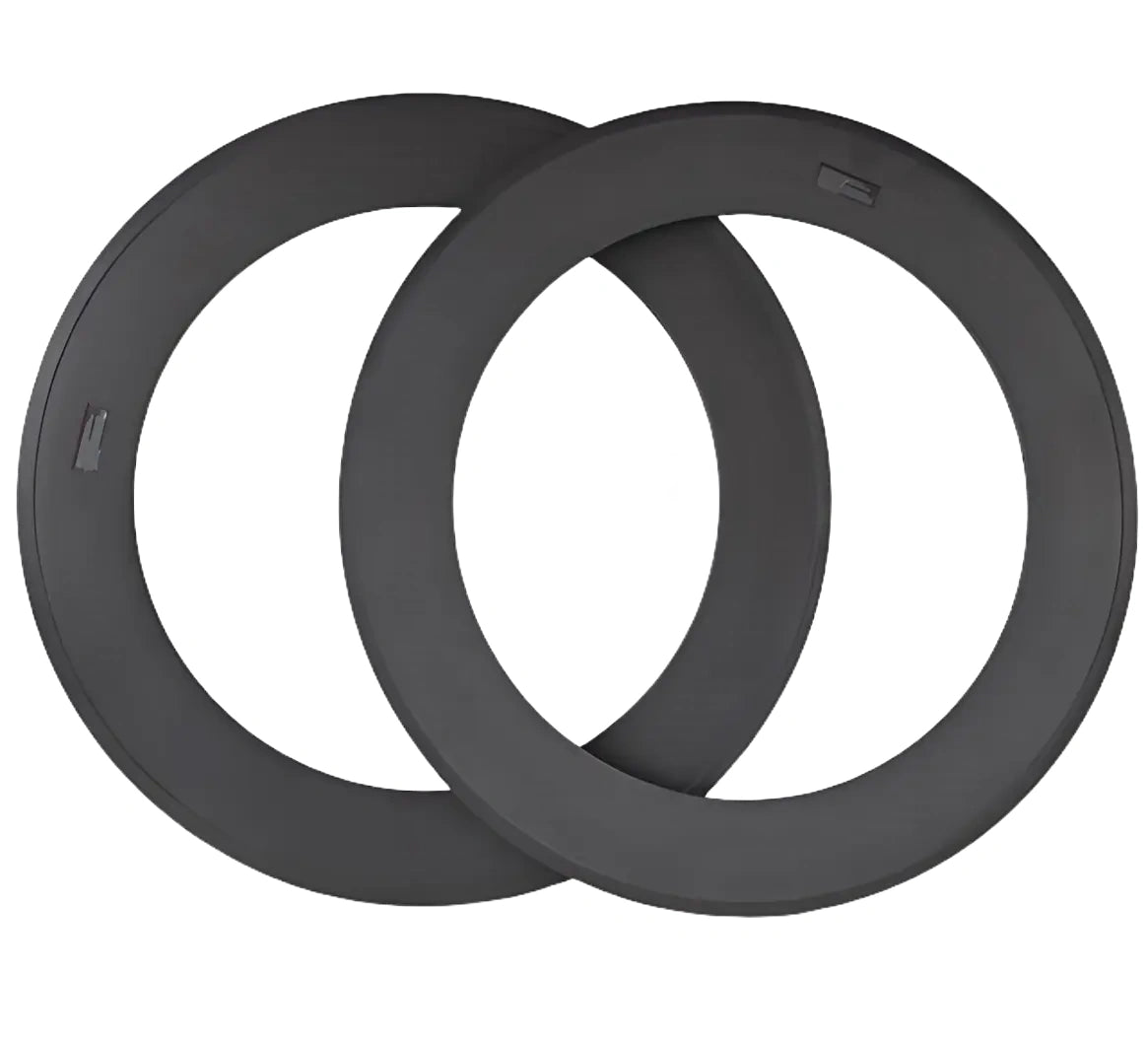
700c Carbon Rim 80mm Deep | 34mm Wide UV Shape | Triathlon & Ironman Racing

700c Carbon Rim 80mm Deep | 34mm Wide UV Shape | Triathlon & Ironman Racing

Regular price $247.86 USD
Regular price $324.79 USD Sale price $247.86 USD
Sale Sold out
Shipping calculated at checkout.
Quantity

80mm Deep 700c Carbon Rim for Triathlon, Ironman & Competitive Time Trial

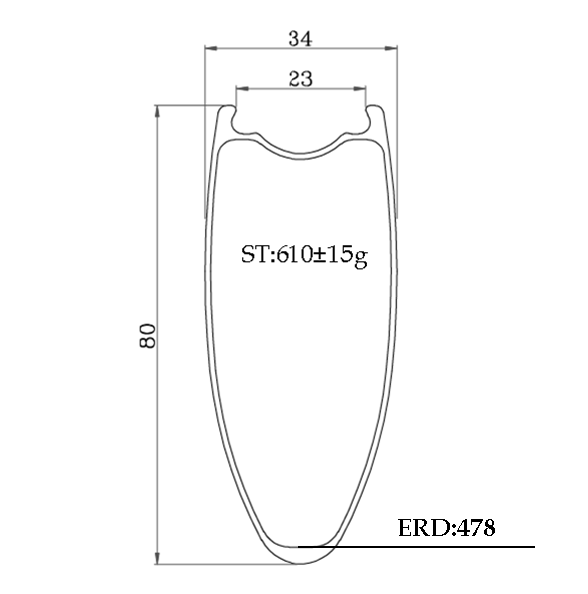
The 80mm deep, 34mm outer-wide UV-shape carbon rim delivers a measured aerodynamic profile purpose-built for flat to rolling triathlon and Ironman courses. Available in two outer widths — 34mm and 30mm — with a 23mm inner width optimised for 25–28mm tubeless or clincher tyres. Weight runs 580–610 g per rim (±15 g tolerance), competitive with comparable aero rims in the 560–620 g range.

Key Specifications

Parameter Value
Wheel Size 700c (ISO 622)
Rim Shape UV (toroidal) profile
Rim Depth 80 mm
Outer Width 34 mm / 30 mm
Inner Width 23 mm
ERD 478 mm
Weight per rim 580 g (30 mm) / 610 g (34 mm) ±15 g
Max Rider Weight 120 kg
Tyre Pressure Range 100–125 psi
Valve Hole 6.5 mm (customisable)
Spoke Hole 4.5 mm (customisable)
Assembly Hole 7.5 mm (customisable)
Nipple Angle (Front)
Nipple Angle (Rear) 5° / 7° or custom
Flatness (lateral runout) <0.15 mm
Roundness (radial runout) <0.3 mm
Dynamic Balance <3 g

Structural Integrity & Load Testing

  • Forward Compressive Strength: >300 kg
  • Lateral Torsion Resistance: >50 kg
  • Spoke Hole Tension: >280 kg

Each rim is individually tested for flatness, roundness, and spoke-hole tension before dispatch, reflecting a manufacturing process refined over a decade of supplying professional cycling teams and OEM brands across Europe and North America.

UV Shape vs. Toroidal — What It Means for Racing

The UV (also referred to as toroidal or U-V) profile features a rounded outer edge that smooths airflow re-attachment at yaw angles common in open-road racing (5°–15°). Compared to a traditional box-section rim, the UV shape reduces measured drag at crosswind yaw. The 34mm outer width further widens the tyre-to-rim interface, reducing tyre-induced turbulence. Trade-off note: at 80mm depth, side-wind handling demands increase in gusting conditions above 30 km/h crosswinds — a factor to consider for lighter riders (<65 kg) in exposed Ironman courses.

Customisation Options

  • Hole diameters (valve, spoke, assembly) available in custom sizes
  • Nipple direction configurable per axle position
  • Compatible with tubeless, clincher, and tubular setups
  • OEM branding and colourway available for team and brand orders

Frequently Asked Questions

What rim depth is best for an Ironman bike build?
For flat to moderately rolling Ironman courses, an 80mm deep rim offers a strong aerodynamic return. Most athletes and coaches target 60–90mm depth for time-trial and triathlon disciplines where sustained speed outweighs handling variability. Riders in consistently windy conditions may prefer 60–65mm for a better crosswind margin.
Is the 34mm wide carbon rim better than 30mm for triathlon aerodynamics?
The 34mm outer width pairs best with 25–28mm tyres, aligning the rim-to-tyre transition for reduced aerodynamic drag. The 30mm option suits 23–25mm tyres and saves approximately 30 g per rim. For most modern triathlon setups running 25mm+ tyres, the 34mm profile is the recommended choice.
How heavy should a 700c carbon rim be for a triathlon wheelset?
Competitive 80mm carbon rims typically weigh between 560 g and 650 g. At 580–610 g, this rim sits within the performance bracket, balancing aerodynamic depth with rotational mass suitable for Ironman and Olympic-distance racing.
What does UV shape mean compared to a standard box-section rim?
UV shape describes a toroidal (rounded) outer rim profile. Unlike a squared box-section, the curved surface improves airflow re-attachment at varied yaw angles, reducing aerodynamic drag in crosswind conditions common on open triathlon courses.
Are these rims compatible with tubeless tyres?
Yes. The 23mm inner width and 6.5mm valve hole are compatible with tubeless and tubeless-ready tyre systems. Confirm hook or hookless compatibility with your specific tyre brand before assembly.
View full details