
What do the different carbon designs 3K matt, 3K glossy, UD matt mean?
Understanding Carbon Fiber Weave Patterns: UD, 3K, and 12K
When choosing a carbon bike, rim, or component in 2026, you may see options like UD, 3K, or 12K. These terms refer to different carbon fiber weave patterns used in the cosmetic top layer of the product. The inner structural layers are almost always Uni-Directional (UD) carbon, while the visible outer layer can be customized for appearance.
What Do UD, 3K, and 12K Mean?
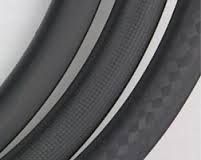
- UD (Uni-Directional): All carbon fibers run in the same direction, not woven. This provides a clean, modern look and allows engineers to optimize strength and stiffness in specific directions.
- 3K: Refers to a woven fabric with 3,000 filaments per "tow" (bundle). The weave is visible as a small checkerboard pattern.
- 12K: Uses 12,000 filaments per tow, creating a larger, more pronounced weave pattern.
The choice between UD, 3K, and 12K primarily affects the appearance of the rim, handlebar, or saddle. The structural performance difference is minimal, as these patterns are only used on the final, visible layer.
Performance and Structural Considerations
The strength and performance of a carbon rim depend more on the orientation and layup of the inner carbon layers than on the surface weave. Key points include:
- Layup Method: The way carbon is cut and placed in the mold is crucial for strength and durability.
- Drilling Holes: UD carbon is very strong in one direction, but drilling a hole can compromise its structure. 3K weave, being woven, distributes stress better around holes, so it's often used to reinforce drilled areas.
- Combination Approach: Many manufacturers use UD carbon for the main structure and add 3K weave around areas that require drilling for added durability.
Ultimately, UD carbon allows for optimal engineering control, while 3K weave provides extra support in specific areas and a distinctive look.
Matte vs. Glossy Carbon Finishes
In addition to weave patterns, you can choose between matte and glossy finishes for your carbon components:
- Matte Finish: Offers a stealthy, non-reflective appearance. Matte surfaces can hide minor scratches and imperfections but may show smudges and oils more easily, requiring more frequent cleaning.
- Glossy Finish: Provides a shiny, reflective surface that highlights the carbon weave. Glossy finishes are easier to wipe clean but may make scratches more visible.
After the rim is sanded, either a matte or glossy finish is applied as the final step, affecting only the look and not the structural integrity.
Frequently Asked Questions
What is the difference between UD, 3K, and 12K carbon fiber?
UD, 3K, and 12K refer to the weave pattern of the carbon fiber's top cosmetic layer. UD (Uni-Directional) has fibers running in one direction, 3K is a tightly woven pattern with 3,000 filaments per tow, and 12K is a larger weave with 12,000 filaments per tow. The main difference is visual; structural performance is mostly determined by the underlying carbon layup.
Does the carbon weave pattern affect rim strength?
The weave pattern of the outer layer has little impact on overall rim strength. The internal carbon layup and orientation are far more important. However, 3K weave is sometimes used around drilled holes to help distribute stress and prevent cracking.
Is matte or glossy finish better for carbon rims?
Matte finish gives a subtle, non-reflective look and hides minor scratches, but can show fingerprints and smudges. Glossy finish is shinier and highlights the carbon weave, but may make scratches more visible. The choice is mainly aesthetic and does not affect performance.
Why do most carbon rims use UD carbon for the main structure?
UD carbon allows engineers to precisely control the direction and placement of fibers, optimizing strength and stiffness where needed. This results in a stronger, lighter rim compared to using woven carbon throughout.
Can I choose the carbon weave and finish on my bike components in 2026?
Yes, many manufacturers in 2026 offer customization options for the top layer weave (UD, 3K, 12K) and finish (matte or glossy) to match your style preferences. The underlying structure remains optimized for performance.