Carbon Fiber Sporting Goods
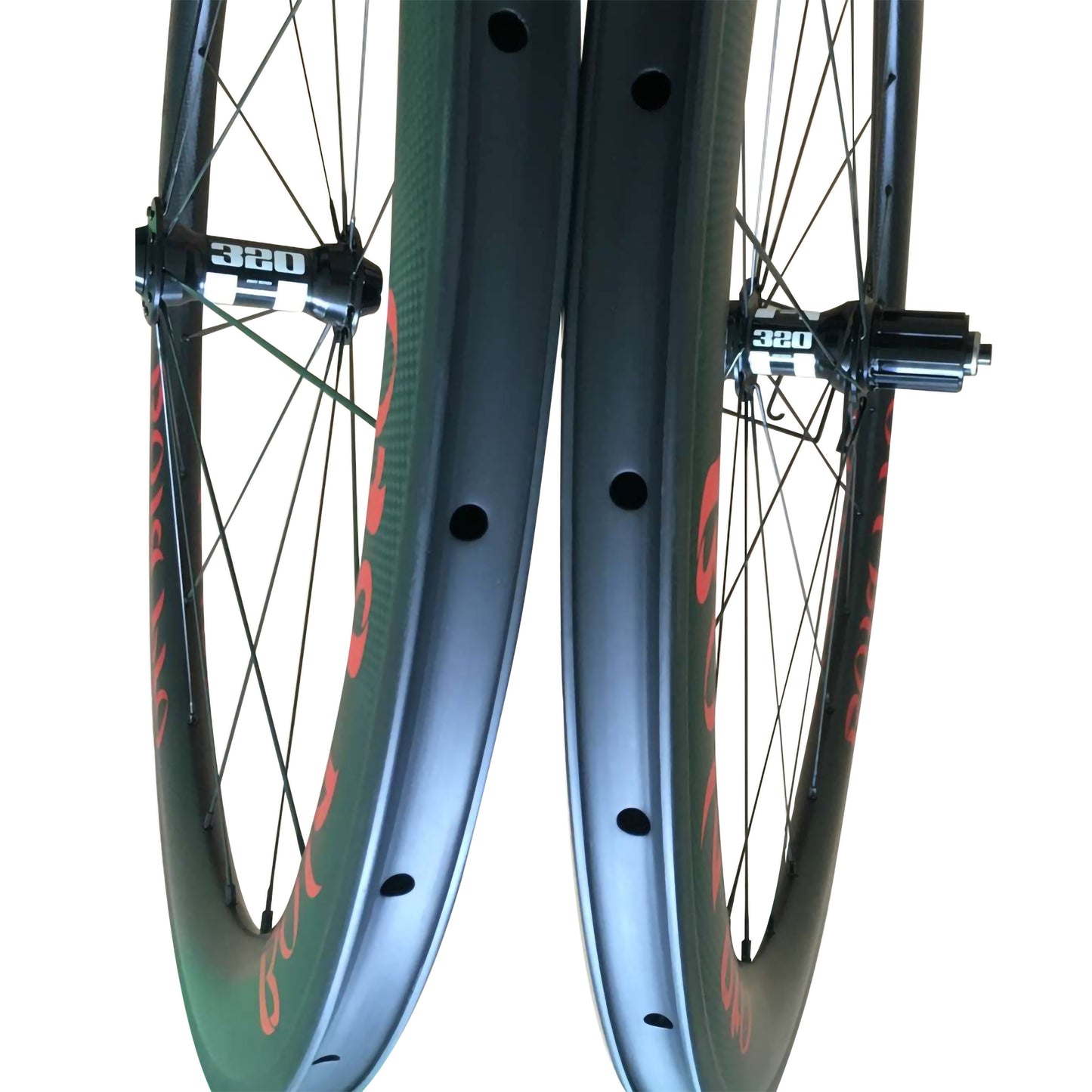
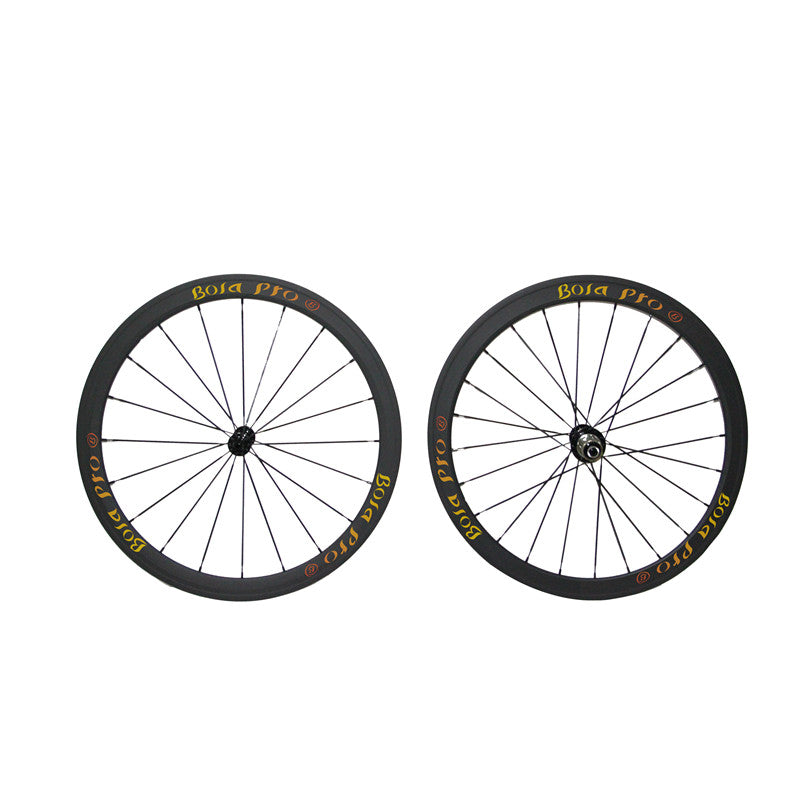
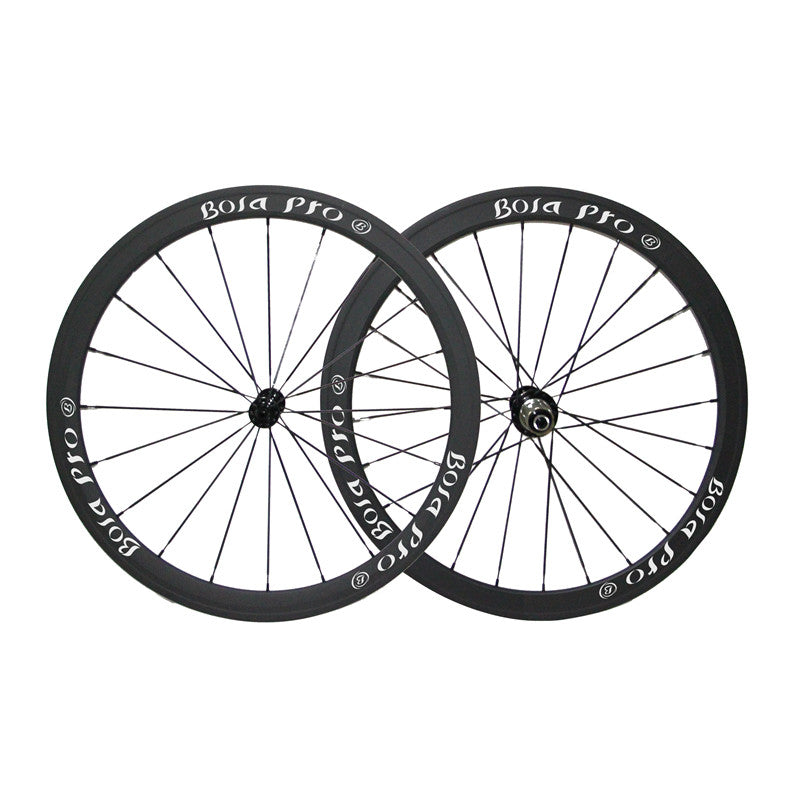
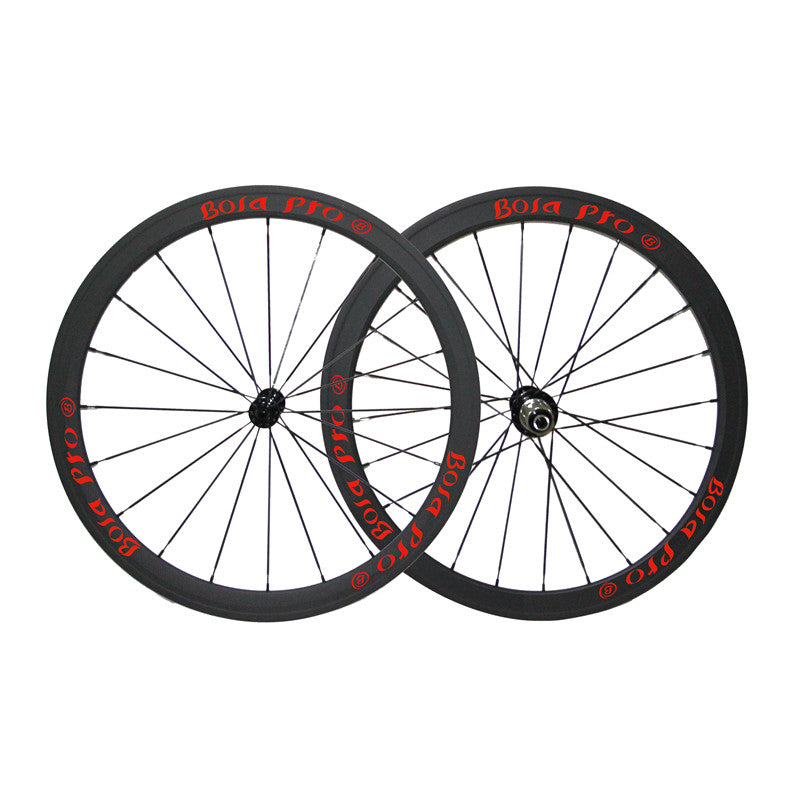
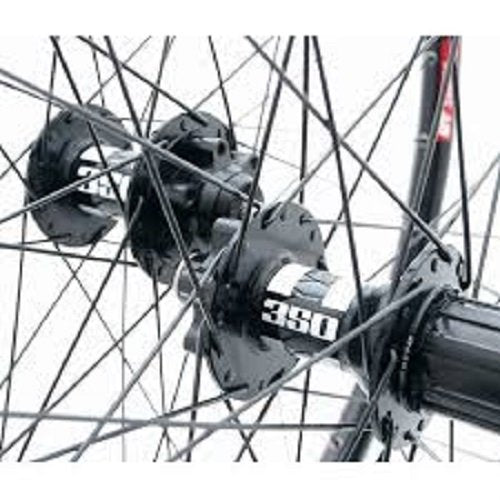
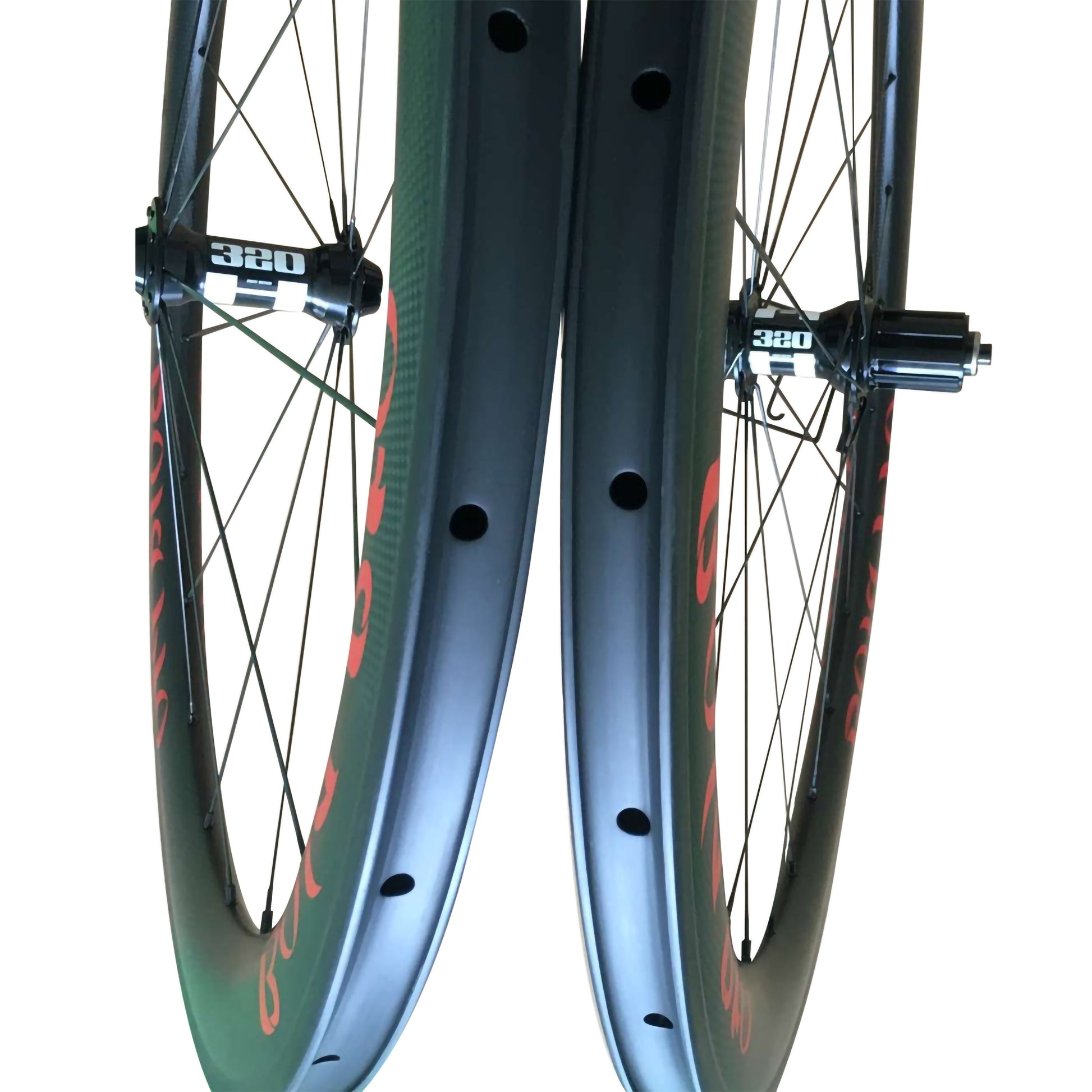
700C Carbon Rim Brake Wheelset 38mm | DT350 Hubs + Sapim CX-Ray | Tubeless Ready
700C Carbon Rim Brake Wheelset 38mm | DT350 Hubs + Sapim CX-Ray | Tubeless Ready
Regular price
$750.00 USD
Regular price
$830.00 USD
Sale price
$750.00 USD
Shipping calculated at checkout.
Quantity
Couldn't load pickup availability
Bola 38mm Carbon Rim Brake Wheelset — DT350 Hubs & Sapim CX-Ray Spokes
A 700C tubeless-ready carbon wheelset built for road cyclists under 100 kg who prioritise climbing efficiency and long-term hub reliability. The 38mm rim depth balances aerodynamic gain with low rotational weight, while the DT Swiss 350 hub internals deliver Swiss-engineered bearing longevity at a mid-range price point.
Key Specifications
| Specification | Detail |
|---|---|
| Rim Diameter | 700C (ETRTO 622) |
| Rim Depth | 38 mm |
| Rim Width (external) | 25 mm |
| Brake Standard | Rim brake (caliper) |
| Tubeless Ready | Yes |
| Front Hub | DT Swiss 350 — 2 sealed bearings, 100 mm O.L.D. |
| Rear Hub | DT Swiss 350 — 4 sealed bearings, 130 mm O.L.D. |
| Spokes | Sapim CX-Ray — Front: 20 (radial) / Rear: 24 (radial NDS, 2× DS) |
| Spoke Offset Tolerance | ±0.1 mm |
| Max Spoke Tension | 180 kgf |
| Tyre Pressure Range | 100–125 psi |
| Max Rider Weight | 100 kg (220 lb) |
| System Weight | 1,465 g ± 30 g per pair (excluding accessories) |
| Included Accessories | 2 pairs rim brake pads, 3 spare spokes |
Real-World Use Cases
- Climbing: At 1,465 g per pair, rotational weight is kept low for sustained gradient efforts where every gram matters.
- Everyday road riding: The 38 mm depth provides measurable aerodynamic benefit above 35 km/h, making this a versatile all-day training and sportive wheel.
- Tubeless setup: The tubeless-ready rim bed accepts standard tubeless tape and valves, reducing rolling resistance and puncture risk versus clincher tubes.
Known Trade-offs
- Rim brake braking performance degrades in wet conditions more than disc brake equivalents — factor this in for rainy climates.
- The 130 mm rear O.L.D. is compatible with traditional road frames only; not suitable for 135 mm MTB or thru-axle disc frames.
- Max rider weight of 100 kg should be observed; riders above this limit risk spoke tension imbalance over time.
DT Swiss 350 vs. Entry-Level Hubs
| Attribute | DT Swiss 350 | Generic OEM Hub |
|---|---|---|
| Bearing type | Sealed cartridge | Cup-and-cone or loose ball |
| Serviceability | User-serviceable; spare parts widely available | Limited spare parts |
| Freehub engagement | Star Ratchet (18-tooth, upgradeable to 36T) | Pawl system, variable engagement |
| Typical service interval | 10,000–20,000 km with basic greasing | Varies widely |
Frequently Asked Questions
- Is a 38 mm carbon wheelset good for both climbing and everyday road cycling?
- Yes. At 38 mm, the rim depth sits in the all-round range: light enough for sustained climbs and aerodynamically effective on flat or rolling roads above 35 km/h. Riders who race criteriums or flat time trials may prefer 50–60 mm, but for mixed-terrain use 38 mm is the most versatile choice.
- What should I look for in a tubeless-ready carbon rim brake wheelset for climbing?
- Prioritise system weight (this set is 1,465 g/pair), rim width for modern tyre compatibility (25 mm external here), spoke count and pattern for lateral stiffness, and hub quality for long-term bearing reliability. Tubeless-ready construction adds puncture protection without significant weight penalty.
- How does a DT350 hub compare to cheaper hubs for long-term reliability?
- DT Swiss 350 hubs use sealed cartridge bearings with a user-serviceable Star Ratchet freehub. Replacement bearings and ratchet rings are available globally, extending hub lifespan to well beyond 30,000 km with routine maintenance — a significant advantage over proprietary OEM hubs with limited spare parts availability.
- Are 38 mm carbon rim brake wheels worth it for a cyclist under 100 kg?
- For riders at or under the 100 kg limit, yes. The weight and aerodynamic balance suits a broad range of road disciplines. Riders close to the 100 kg limit should monitor spoke tension periodically and keep tyre pressure within the 100–125 psi range specified.